
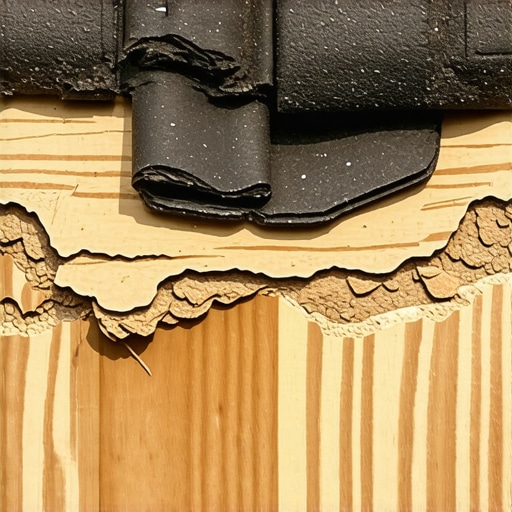
The Anatomy of a Spongy Deck: Why Your Roof is Rotting From the Inside
Walking on that roof felt like walking on a sponge. I knew exactly what I’d find underneath. It wasn’t just a leak; it was a systemic failure of the structural skin. As someone who has spent twenty-five years crawling through sweltering attics and tearing off shingle squares in the humid pressure cooker of the Southeast, I can tell you that what we are seeing today is the precursor to a massive wave of failures hitting homeowners by 2026. Local roofers are already spotting the red flags, but many lack the forensic eye to tell you why your plywood is turning into a deck of cards. We are dealing with plywood delamination—a process where the heat-sensitive resins holding your roof deck together decide to quit.
The Physics of Glue Failure in Tropical Climates
In regions like Florida or the Gulf Coast, your roof isn’t just a rain shield; it’s a thermal battlefield. When local roofing companies install shingles without accounting for the sheer volume of moisture rising from the crawlspace or the 150-degree heat trapped in the peak, they create a chemical reaction. The phenol-formaldehyde resins in the plywood are rated for specific temperatures. When you exceed those limits consistently, the plys separate. This isn’t just ‘old wood.’ This is a structural divorce. Water doesn’t even need to leak from the outside; capillary action and internal condensation can saturate the wood from the bottom up, causing the layers to swell and peel apart like a wet phone book.
“Plywood used for roof sheathing shall be bonded with exterior glue and shall be of a type that is capable of withstanding the effects of moisture during construction.” – International Residential Code (IRC) R803.2.1
Sign 1: The ‘Telegraphing’ Ridge and Valley
The first sign isn’t a drip on your ceiling; it’s a visual anomaly on your roofline. When the adhesive fails, the individual layers of the plywood warp at different rates. You’ll see what we call ‘telegraphing’—where the edges of the 4×8 sheets start to hump up under the shingles. If you look across the plane of your roof during the ‘golden hour’ of sunset, you shouldn’t see the skeleton of the house. If you see distinct ridges every four feet, your roofing deck is delaminating. The wood is literally expanding and has nowhere to go but up, putting immense stress on the starter strip and the valleys where water flow is heaviest. This isn’t a cosmetic issue; it’s a sign that your fasteners are being pulled out of their seats.
Sign 2: The Dreaded ‘Shiner’ and Fastener Back-Out
Here is where the forensic investigation gets dirty. When I’m in an attic, I’m looking for ‘shiners.’ A shiner is a nail that missed the rafter, but in a delaminating roof, even the nails that hit the wood are in trouble. As the plywood layers separate, the wood loses its ‘grip.’ Think of it like trying to nail two pieces of bread together versus two pieces of toast. The nail just sits there. Eventually, the thermal expansion and contraction of the roof push those nails upward. This is called ‘nail backing.’ From the outside, it looks like a small bump under the shingle. To local roofers who know their craft, it’s a warning that the structural integrity of the deck is gone. If a hurricane-force gust hits that roof, it won’t just take the shingles; it’ll take the wood because the nails have no purchase left in the ‘oatmeal’ deck.
Sign 3: Attic Humidity and the ‘Sooty’ Sheathing
Go into your attic with a flashlight. Don’t just look for water stains. Look at the color of the wood. If the plywood looks dark, almost ‘sooty,’ or if the grain is raised significantly, you are looking at the early stages of delamination. In our tropical climate, the secondary water resistance (SWR) layers often trap moisture against the wood if the ventilation isn’t perfect. If your roofing companies didn’t calculate the intake versus exhaust CFM, that plywood is essentially being steamed. You might notice a faint smell of rotting pine or chemicals; that’s the resin breaking down. By 2026, many ‘COVID-era’ roofs—built when materials were scarce and labor was rushed—will show these signs in droves.
“Proper ventilation is the most overlooked component of a long-lasting roof system; without it, even the best materials will fail prematurely.” – National Roofing Contractors Association (NRCA)
The Fix: Why Caulk Won’t Save You
I’ve seen guys try to ‘bridge’ these soft spots with extra layers of felt or heavy-duty mastic. That’s like putting a band-aid on a broken leg. The only real fix for delaminated plywood is ‘surgery.’ You have to tear it back to the rafters. If you ignore it, you’re looking at a deck collapse or, at the very least, a roof that will be rejected by any insurance inspector during a 4-point inspection. When you hire local roofers, ask them about ‘decking integrity.’ If they don’t mention checking for ply separation, they aren’t looking out for you; they’re just looking for a quick check. A real pro will check your drip edge and your cricket zones for any sign that the wood underneath has lost its fight against the elements.