
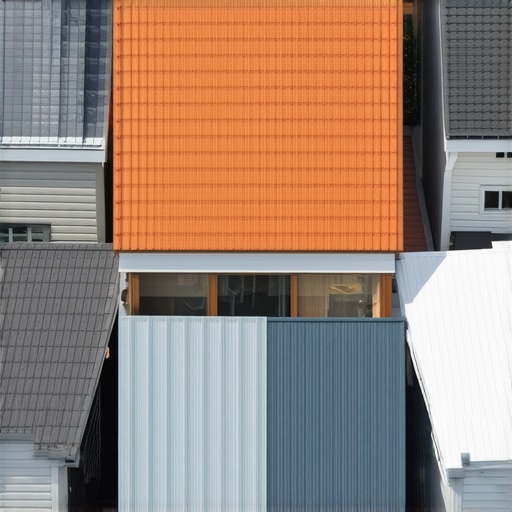
The Myth of the ‘Simple’ Shed Roof
Most folks think a shed roof is a weekend project, a simple slant that needs some felt and a few bundles of three-tab shingles. They’re wrong. As someone who has spent two decades crawling over rafters and peeling back layers of rot, I can tell you that the shed roof—specifically those with low slopes—is where local roofers often prove they don’t know the difference between a water-shedding surface and a waterproof one. My old foreman used to say, ‘Water is patient. It will wait for you to make a mistake.’ He was usually referring to the guy who rushed the flashing or thought he could cheat the pitch. If you’re looking at your outbuilding or home extension in 2026 and seeing a leak, it’s not bad luck. It’s physics. When you’re dealing with a pitch below 4:12, gravity stops being your friend. Capillary action takes over. That’s when water literally climbs uphill, tucked into the laps of your shingles, searching for a shiner—a missed nail—to follow down into your plywood. Once it hits that wood, the clock starts ticking on a $5,000 repair bill.
1. Standing Seam Metal: The 50-Year Sentry
If you ask any reputable roofing companies about longevity, standing seam metal is the gold standard for 2026. This isn’t the corrugated tin your grandad put on his barn. We’re talking about 24-gauge steel with a Kynar 500 finish. The reason this works for shed roofs is the lack of exposed fasteners. On a standard screw-down metal roof, you have thousands of rubber washers exposed to the sun. In a high-UV climate, those washers dry out and crack within seven years. Now you have thousands of tiny holes. Standing seam hides the clips under the ribs.
“A roof is only as good as its flashing.” – Old Roofer’s Adage
The mechanism of failure in metal is usually thermal expansion. Metal breathes; it grows in the sun and shrinks in the cold. If your contractor pinned the panels too tight, they’ll ‘oil can’—that wavy, buckling look—and eventually stress the seams until they pop. But done right, with a high-temp ice and water shield underneath, it’s a fortress. It handles snow load without the risk of ice dams because the surface is too slick for the ice to grip.
2. Self-Adhered Modified Bitumen (Peel-and-Stick 2-Ply)
For those lower pitches where shingles are a death sentence, modified bitumen is the workhorse. In 2026, the technology has moved toward odor-free, cold-applied systems. This is essentially a thick, rubberized asphalt membrane. The ‘2-ply’ part is the non-negotiable step. One layer of base sheet and one layer of granulated cap sheet. Why? Because a single layer is a prayer, not a roof. I’ve seen local roofers try to save a buck by skipping the base sheet. Without it, when the shed settles and the wood moves, the membrane tears. The granulated surface protects against UV degradation, preventing the asphalt from becoming brittle. You want a cricket installed if that shed roof meets a vertical wall, otherwise, you’re just building a swimming pool against your siding. The hydrostatic pressure of standing water will eventually find a way through the tiniest pinhole in a seam.
3. Synthetic Composite Slates
The newcomer for 2026 that actually holds weight is the synthetic composite. These are made from recycled polymers and rubber. They look like slate or cedar but weigh a fraction of the cost and last twice as long. For a shed roof that is visible from the main house, aesthetics matter. But here is the forensic truth: these panels are engineered with ‘spacers’ on the back to prevent thermal bridging. This keeps the underside of the material cooler, reducing the heat transfer into the shed. However, the trap here is the underlayment. Because these are individual ‘shingle-style’ units, they rely entirely on the pitch. If your shed is a 2:12, you must use a double layer of synthetic underlayment or a full coverage of ice and water shield.
“Roof coverings shall be applied in accordance with the applicable provisions of this section and the manufacturer’s installation instructions.” – International Residential Code (IRC) R905.1
Most roofing failures with synthetics happen because the installer used cheap staples instead of capped nails, allowing wind-driven rain to bypass the primary barrier.
The ‘Lifetime’ Warranty Trap
Don’t be fooled by the ‘Lifetime’ sticker on the package. Those warranties usually cover ‘manufacturing defects,’ which almost never happen. What happens is ‘installation defect.’ If your local roofers don’t use the specific starter strip required by the brand, or if they mix and match brands of underlayment and shingles, your warranty is dead before the first rain hits. You need a contractor who talks about squares (100 square feet) and wind-uplift ratings, not just price per hour. A shed roof is a small area, which means the margin for error is even smaller. One poorly flashed valley or a pipe boot installed with caulk instead of a proper lead or rubber flange will rot out your roof deck in three seasons. When interviewing roofing companies, ask them how they handle the ‘transition zone’ where the roof meets the fascia. If they don’t mention a drip edge, show them the door.
As someone who’s had to replace a shed roof due to water damage, I can really appreciate the emphasis on proper materials and installation in this post. I was surprised to learn how thermal expansion can cause metal panels to oil can if not installed correctly—that’s something I wouldn’t have guessed beforehand. The section on synthetic composite slates caught my eye, especially since aesthetics and durability are both important for visible shed roofs. Has anyone here had firsthand experience with synthetic slates in a low-slope application? I’m curious about their actual lifespan and how well they stand up to sustained weather conditions like hail or heavy rain. Also, considering the importance of proper underlayment, what brands or types have you found most reliable for ensuring full coverage and preventing leaks? It seems like, with such small installation margins, choosing a knowledgeable contractor is just as vital as picking the right materials.