
The 3:00 AM Thwack: A Forensic Look at Wind Lift
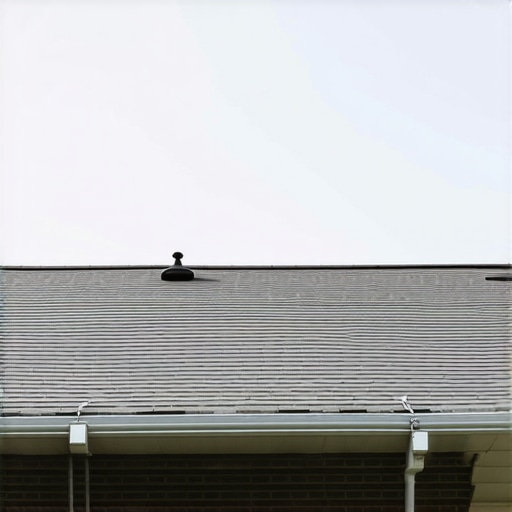
You’re lying in bed during a tropical depression, and you hear it. Thwack. Thwack. Thwack. It’s a rhythmic, heavy slapping sound coming from the roof deck. Most homeowners ignore it, thinking it’s a loose branch. I know better. That’s the sound of your asphalt shingles losing their fight with Bernoulli’s principle. As a forensic roofer, I’ve spent two decades climbing ladders to see why ‘professional’ installs fail when the gusts hit 70 mph. The truth isn’t pretty. Your roof isn’t just a lid; it’s an airplane wing. When wind speeds up as it travels over the eaves and toward the ridge, it creates a low-pressure vacuum. This pressure differential—high pressure in your attic, low pressure above the shingles—literally tries to suck the roof off the house. By the time 2026 rolls around, with updated wind-load requirements, the ‘standard’ install many local roofers offer today will be considered a liability.
My old foreman, a man who smelled of hot tar and cheap coffee, used to tell me, ‘Kid, wind doesn’t break a roof; it finds the place where you were lazy.’ He was right. Water is patient, but wind is violent. It looks for the one shiner—that nail that missed the rafter—or the starter strip that wasn’t set quite right. Once it catches an edge, it’s a domino effect. I’ve walked onto job sites where the entire south-facing slope was sitting in the neighbor’s pool because the roofing companies ignored the basic physics of uplift. If you want your home to survive the next decade of coastal storms, you need to understand the ‘Surgery’ required to fix these vulnerabilities before the next storm season.
1. The Starter Strip: The Unsung Hero of the Eave
The first way to stop 2026 wind lift starts at the very edge. Most roofing failures begin at the eave or the rake. Why? Because the ‘local roofers’ you hired might have used a ‘cut-up shingle’ as a starter strip instead of a dedicated, high-tack starter product. A real starter strip has a factory-applied adhesive positioned specifically to bond with the first course of shingles. When wind hits the vertical face of your house, it’s forced upward. If that first row isn’t glued down like it’s part of the foundation, the wind gets underneath, breaks the thermal seal, and starts the peeling process. We call this ‘unzipping.’ In my forensic audits, I often find that the sealant strip was contaminated with construction dust during a sloppy install, preventing a true bond. To fix this, you don’t just add more nails; you ensure the drip edge is properly integrated and the starter strip is offset to prevent water infiltration at the seams.
“The fastening of the starter course is the most critical element in wind resistance at the roof perimeter.” – National Roofing Contractors Association (NRCA)
2. The High-Nailing Epidemic (The ‘Shiner’ Problem)
If I had a dollar for every ‘shiner’ I’ve found in a failed roof, I’d be retired in the Keys. High-nailing is the silent killer of roofing longevity. Each shingle has a ‘nail zone’—a narrow strip, often only an inch wide, where the nail must pass through both layers of the shingle to provide maximum pull-through resistance. When installers get fast and sloppy, they nail too high. This means the nail only catches the top layer of the shingle. When wind creates uplift, the shingle simply pulls right over the nail head like a piece of paper through a three-ring binder. To meet the 2026 wind lift standards, you need a six-nail pattern, and every single one must be in the ‘sweet spot.’ I’ve seen 130 mph-rated shingles fail at 60 mph simply because the local roofers were ‘machine-gunning’ their nail guns without looking at the marks.
3. The Attic Pressure Equilibrium (Ventilation Physics)
This is where we zoom into the mechanism of the ‘Internal Pressure’ failure. Your roof doesn’t just fail from the outside. If your attic ventilation is clogged—maybe your soffits are packed with blown-in insulation—the air pressure inside your attic can’t equalize with the outside air. During a storm, this trapped air pushes upward against the roof deck. This is why forensic roofers look at the ‘Net Free Area’ of your vents. If you have a ridge vent but no intake at the soffits, you’re creating a vacuum that actually helps the wind pull the shingles off. Improving your ventilation isn’t just about keeping the house cool; it’s about structural integrity. A ‘band-aid’ fix is adding a few more turtle vents; the ‘surgery’ is a balanced system that allows your house to breathe during a hurricane-force gust.
“Roof systems shall be designed and installed to resist the uplift pressures specified in this code.” – International Residential Code (IRC) R905.1
4. Thermal Sealing and the 2026 ‘Bond’
Finally, we have to talk about the ‘Sealant Bond.’ Modern shingles use a heat-activated strip of asphalt to stick to the layer below them. In colder climates, or during a late-fall install by local roofing companies, these strips might never ‘seal’ properly until the following summer. If a wind storm hits before that thermal bond is created, the roof is defenseless. In 2026, we’re seeing more contractors move toward ‘hand-sealing’ shingles in high-wind zones using a tube of asphalt cement. It’s tedious work, but it’s the difference between a roof that lasts 30 years and one that ends up as insurance-claim fodder. If you see a roofer just slapping shingles down in 40-degree weather without discussing hand-sealing, you’re looking at a future leak. You need a contractor who understands that the physics of the bond is as important as the chemistry of the shingle.