
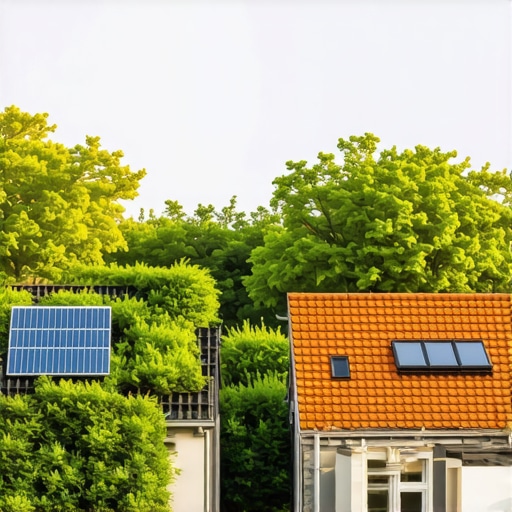
Listen, I’ve spent twenty-five years crawling over hot decking, smelling the sour rot of plywood that failed because someone wanted to save a nickel on a ‘green’ product they didn’t understand. If you’re looking for a warm, fuzzy marketing pitch about saving the polar bears with a roof, call a salesman. If you want to know which eco-friendly materials actually survive a Florida hurricane or a Texas heatwave without turning your attic into a 150-degree oven, stay put. Small homes are tricky. You don’t have the massive attic buffer of a McMansion; if the roof fails, the heat and moisture hit your living space in minutes. My old foreman used to say, ‘Water is patient. It will wait for you to make a mistake.’ When it comes to eco-friendly roofing, those mistakes are usually made in the name of ‘sustainability’ that ignores physics. Let’s talk about what actually works.
1. Standing Seam Metal: The 80-Year Heavyweight
If you want the ultimate eco-friendly roof for a small footprint, you stop looking at asphalt and start looking at metal. I’m not talking about the cheap R-panel stuff you see on a shed that’s held down by exposed screws. I’m talking about standing seam. The magic here is in the mechanical lock. There are no exposed fasteners to back out over time. In the humid Southeast, metal is king because it’s 100% recyclable and reflects a massive amount of solar radiation. We talk about the Solar Reflective Index (SRI). While a dark asphalt shingle absorbs heat and conducts it through the decking via thermal bridging, metal creates a radiant barrier. On a small home, this is the difference between your AC running 18 hours a day or 8. You need to watch for galvanic corrosion if you’re near the coast. Use stainless fasteners, or the salt air will eat those clips before the decade is out. If you ignore this, you’ll eventually deal with rotten fascia boards, which costs double to fix because you have to tear the whole perimeter apart.
“A roof system shall be designed and installed to provide weather protection for the building and its occupants.” – International Residential Code (IRC) R903.1
2. Recycled Polymer Tiles: The Plastic Savior?
I used to hate plastic roofing. It would crack under UV load like a cheap toy. But the industry changed. Modern polymer tiles are now engineered with UV stabilizers that can handle 110-degree days without off-gassing or becoming brittle. They’re made from recycled milk jugs and tires, which is great for the planet, but more importantly, they are incredibly light. On a small home, you don’t want to beef up the rafters just to support heavy clay. These tiles mimic slate or cedar without the weight. The forensic catch? It’s the underlayment. If the guy you hire uses a cheap organic felt under these tiles, the felt will cook and crumble in ten years while the tiles look fine. You need a high-temp synthetic. If you see signs of underlayment failure, the eco-benefits are gone because you’re doing a total tear-off way too early.
3. White TPO (Thermoplastic Polyolefin)
Usually reserved for commercial warehouses, white TPO is becoming a secret weapon for small, flat-roofed modern homes. It’s a single-ply membrane that is heat-welded at the seams. Why is it eco-friendly? Reflectivity. We call it a ‘cool roof.’ In the desert or the deep South, white roofs save money by drastically lowering the cooling load. But here is the ‘mechanism zoom’ for you: TPO failure happens at the flashing. If the roofer doesn’t know how to manage ‘termination bars’ or uses cheap caulk at the wall joints, water will find its way under the sheet. Once water gets under TPO, it can’t evaporate. It just sits there, rotting your plywood into a substance that looks like oatmeal. There are 7 reasons roofing companies suggest TPO, and durability in high-heat zones is at the top of the list.
4. Bio-Based Sealants and Mats
Sustainability isn’t just the top layer; it’s what’s underneath. Old-school asphalt felt is basically paper soaked in oil. It’s nasty stuff. Forward-thinking local roofers are now moving toward bio-mats made from agricultural byproducts. These are more breathable, which is critical for small homes with poor attic ventilation. If your roof can’t ‘breathe,’ moisture from your shower and kitchen gets trapped in the insulation. That’s how you get mold. I’ve seen ‘green’ homes that were so airtight they rotted from the inside out in five years. You need a balance of air movement and waterproofing. A ‘shiner’ (a nail that misses the rafter and sticks into the attic) will act as a condenser in the winter, dripping water onto your ceiling. A bio-based system often handles these micro-moisture issues better than traditional petroleum products.
5. Hybrid Solar Tiles
Don’t put heavy solar panels on a small, old roof. The added dead load can cause the ridge to sag, creating ‘valleys’ where water pools. Instead, look at integrated systems. Local roofers suggest hybrid solar tiles because they serve as both the waterproofing layer and the power generator. They are low profile, which is great for aesthetics on a small cottage. The forensic risk here is the wiring. Every tile is a potential leak point if the ‘boots’ or penetrations aren’t sealed with a high-grade polymer. If the installation is sloppy, you’ll be chasing ‘ghost leaks’ for years. Always check the ‘cricket’—the small diverter behind a chimney or large protrusion—because that’s where these systems tend to collect debris and fail.
6. Slate: The 100-Year Rock
Slate is just stone. You can’t get more eco-friendly than pulling a rock out of the ground and pinning it to a roof. It lasts a century if done right. But here is the brutal truth: most roofing companies don’t know how to install it. They use galvanized nails that rust out in 20 years, causing the slate to slide off. That’s called ‘nail sickness.’ For a small home, slate is a massive investment but it’s the last roof you’ll ever buy. To prevent algae stains or moss growth in damp climates, you need zinc strips at the ridge. The rainwater reacts with the metal, releasing ions that kill off the spores before they can take root in the stone’s pores.
“The roof is the most important element of a building… it is the very essence of shelter.” – John Ruskin
7. Reclaimed Wood Shakes
I know, wood sounds like a maintenance nightmare. But reclaimed cedar or redwood shakes from old structures are denser and more rot-resistant than the new-growth timber you find at big-box stores. The ‘mechanism’ of wood is capillary action. Wood moves. It breathes. If you don’t leave enough gap between shakes, they’ll swell when wet, buckle, and pop the nails. This is why you see ‘cupping’ on old roofs. If you’re in a high-fire zone, skip this. But in a temperate climate, a properly spaced wood roof is a natural insulator with a massive R-value. Just don’t buy cheap roofing materials that claim to be ‘wood-look’ but are actually just painted asphalt; they won’t give you the same thermal benefits.
The Warranty Trap: Don’t Get Scammed
You’ll see ‘Lifetime Warranties’ splashed across every eco-friendly product. Read the fine print. Most of these are pro-rated, meaning they lose value every year. Others are voided if you don’t have ‘certified’ ventilation. Is a 30-year warranty actually worth it? Usually not if the company that installed it goes out of business in three. Small homes need local roofers who have been in the same town for twenty years, not storm chasers with a fancy website. When I do a forensic inspection, the first thing I look at isn’t the shingle; it’s the valley. If the valley is woven poorly or the flashing is just ‘gooped’ with tar, the material’s eco-rating doesn’t matter. You’re going to be throwing the whole thing in a landfill when it leaks. Pick a contractor who uses a laser level for the starter course and understands the physics of wind uplift. That’s how you actually stay green.