
The 140-Degree Attic Truth: Why Your New Metal Roof Might Fail by 2030
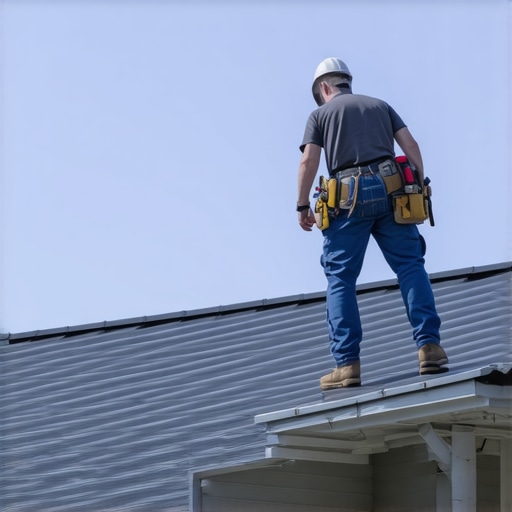
Walking on that roof felt like walking on a sponge. I knew exactly what I would find underneath before I even pulled my pry bar out of my belt. The homeowner was bragging about the ‘deal’ he got from one of those local roofers who promised a lifetime metal system for the price of asphalt. I didn’t have the heart to tell him right away that his ‘lifetime’ roof was currently suffocating his house. When I finally peeled back a ridge cap, the smell of fermented wood hit me—the plywood had the consistency of wet cake. This wasn’t a leak from the rain; it was a self-inflicted wound caused by physics that the installer didn’t bother to understand. If you’re looking at roofing companies in 2026, you’re being sold a dream, but the technical reality is often a nightmare of trapped moisture and ‘oil canning’ ripples.
“A roof is only as good as its flashing and its ability to handle thermal movement.” – Old Roofer’s Adage
Secret 1: The 24-Gauge vs. 29-Gauge Shell Game
The first way roofing companies pad their margins is by playing with steel thickness. In the trade, we talk about ‘gauge.’ The higher the number, the thinner the metal. A 29-gauge panel is basically a glorified soda can, often used for agricultural barns where nobody cares if it dents when a heavy branch falls. For a residential structure, especially in the humid Southeast where wind-driven rain is a constant threat, you need 24-gauge structural steel. Local roofers save thousands by quoting ‘metal roofing’ but delivering the thin stuff. Why does it matter? It’s about the ‘Mechanism of Fastener Pull-through.’ During a high-wind event, the pressure differential between your attic and the outside air creates an upward lift. Thin metal will literally tear away from the screw heads, leaving your decking exposed while the panels fly like giant razor blades into your neighbor’s yard. If your quote doesn’t specify the decimal thickness of the steel, you’re being played.
Secret 2: The Hidden Trap of Exposed Fasteners
Most local roofers love ‘screw-down’ panels (Ag-panels) because they are fast and cheap. But every single screw is a hole in your roof. A standard 2,000-square-foot roof has roughly 2,500 to 3,000 screws. Each one relies on a tiny EPDM rubber washer to stay watertight. In the 2026 climate of extreme UV radiation, those washers don’t last forty years; they dry rot in ten. Once they crack, capillary action pulls water up and under the washer, where it sits against the steel and starts the slow process of galvanic corrosion. The ‘secret’ the pros use to save money is skipping the Standing Seam system. A true Standing Seam roof has no exposed screws; the fasteners are hidden under a vertical rib, allowing the metal to slide as it expands and contracts. If you see a roofer showing up with a bucket of hex-head screws, he’s building a roof with three thousand potential leaks.
Secret 3: The Underlayment Buffer and Vapor Drive
I once saw a crew install metal directly over old asphalt shingles to ‘save’ the homeowner the tear-off cost. That is a forensic disaster in the making. Metal is a massive heat sink. During a hot July day, that metal reaches temperatures that would fry an egg in seconds. This heat transfers directly to whatever is underneath. If you use a cheap organic felt paper, it will bake until it’s brittle as a cracker. The real secret for 2026 is the use of high-temp synthetic underlayment with a ‘slip sheet.’ Because metal moves—a thirty-foot panel can grow a quarter-inch in length between sunrise and 2 PM—it will literally sandpaper your underlayment to shreds if there isn’t a sacrificial layer in between. Without this, the ‘Secondary Water Resistance’ is gone within three seasons.
“Metal roof systems shall be designed to allow for expansion and contraction of the panels caused by temperature changes.” – International Residential Code (IRC) R905.10
Secret 4: The ‘Oil Canning’ Excuse
Have you ever seen a metal roof that looks wavy or wrinkled? The industry calls it ‘oil canning.’ Local roofers will tell you it’s ‘natural’ for metal. That’s a lie. It’s a symptom of over-tightened fasteners or a roof deck that isn’t level. When a roofer uses a ‘shiner’—a nail that misses the rafter and just pokes through the plywood—it creates a pressure point. As the sun hits the panel, the metal tries to expand but hits that pressure point and buckles. The secret to a flat, beautiful roof is using a ‘cricket’ to divert water around chimneys and ensuring the clips in a standing seam system have enough room to breathe. If your roofer doesn’t talk about ‘thermal expansion joints,’ he isn’t a metal mechanic; he’s a salesman with a ladder.
Secret 5: Local Roll-Forming vs. Factory Crates
In 2026, the biggest cost-saving secret for roofing companies is the portable roll-former. Instead of ordering pre-cut panels from a massive factory that get dented in shipping, top-tier local roofers bring a machine to your driveway. They feed a coil of steel into the machine and spit out a custom-fit panel that runs from the eave to the ridge without a single horizontal lap. Horizontal laps are where water hides. By eliminating them, they reduce the ‘Hydrostatic Pressure’ risk during heavy downpours. This saves them on freight costs, but they often don’t pass those savings to you unless you know to ask. Demand to know if your panels are ‘factory-formed’ or ‘field-formed.’ Field-formed is almost always superior for fit and finish.
The Final Forensic Verdict
Don’t be seduced by the shine of a new metal roof. Look at the valleys. Look at the ‘shiners’ in the attic. If you see light peeking through near the ridge, or if you hear the metal ‘clapping’ during a windstorm, the installation is a failure. Metal roofing is a game of millimeters and physics. If you hire a crew that usually bangs on shingles and expects them to understand the thermal dynamics of a 24-gauge Kynar-coated steel panel, you are paying for their education with your home’s equity. Buy the gauge, insist on hidden fasteners, and never—ever—let them skip the high-temp slip sheet.
This article highlights some crucial points that many homeowners might overlook when selecting a metal roof. I particularly resonate with the discussion about steel gauge—it’s surprising how often the thinner gauges are used to cut costs, only to lead to future problems like uplift during storms. I had a similar experience where a roof with thinner metal panels failed after a few years, and the damage was extensive. The emphasis on hidden fasteners and field-formed panels is well-taken; these details truly make all the difference in longevity and performance. Has anyone here had success insisting on these features, and how did it impact the overall cost? From my perspective, investing in quality upfront can save a lot of money and hassle down the line. I’m curious if there are other techniques or materials that local roofers are now using to further improve durability and resistance to weather extremes. It’s eye-opening to see how much physics, proper installation, and quality components influence the lifespan of a metal roof beyond just its appearance.
This post sheds light on some real issues that many homeowners might not think about when choosing a metal roof, especially the importance of steel gauge and proper installation techniques. I remember when I insisted on a 24-gauge panel for my roof after learning about the risks of thinner steel during a local workshop. The upfront cost was higher, but I sleep better knowing my roof won’t just dent from hail or a falling branch. The discussion about hidden fasteners and field-formed panels really hits home because those details often determine a roof’s long-term performance. About the on-site roll-forming—such a game changer for seamless fit and weather resistance. Has anyone here gone the extra mile to verify whether their panels are factory or field-formed, and did it make a noticeable difference? It seems like a small thing but could be critical, especially in high-wind or humid conditions. I’d love to hear more about other ways homeowners can ensure their roofing investment is truly durable and not just shiny on the surface.
Reading through this article really opened my eyes about the importance of choosing the right steel gauge and the method of installation for metal roofs. I remember when I upgraded my roof a few years ago, I was tempted to go for the cheaper options but decided to invest in a 24-gauge panel with a standing seam system after learning about potential uplift issues and leak points. The difference in durability and resistance to storms has been noticeable. What strikes me is the emphasis on local roll-forming — I had no idea that on-site manufacturing could significantly improve fit and reduce water intrusion risk. Has anyone here experienced firsthand whether factory-formed panels perform noticeably better in high-wind situations compared to field-formed ones? Also, I wonder how much of a difference proper thermal expansion joints make in preventing ‘oil canning’ and buckling over time. Would love to hear your insights or any additional tips people have when insisting on these quality features during installation.