
The Sound of a Frying Roof
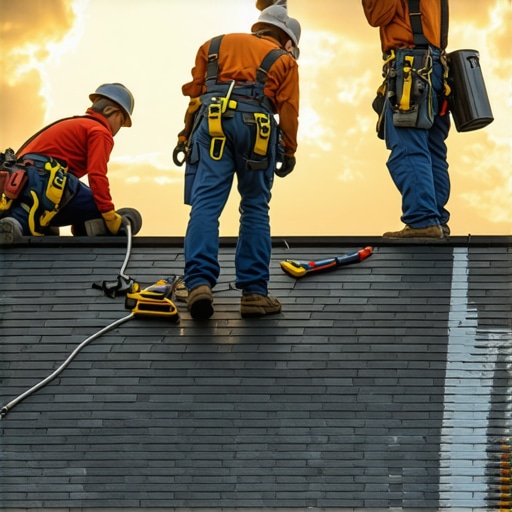
Walking on that roof felt like treading on a field of dry corn husks. I knew exactly what I’d find underneath—a substrate that had been slow-cooked for a decade until it had the structural integrity of a cracker. In the 2026 heatwaves, local roofers aren’t just installers anymore; we’re forensic investigators looking at why your shelter is literally turning back into oil and dust. The air shimmered over the ridge line, a 160°F haze that made the asphalt shingles feel soft, almost gummy, under my boots. This wasn’t just a hot summer; it was a systemic failure of the building envelope across the Southwest. When the temperature hits these record-breaking levels, the physics of roofing changes. We aren’t fighting rain; we are fighting molecular degradation and the relentless assault of UV radiation that unzips the hydrocarbon chains in your shingles.
“A roof system’s performance is heavily dependent on the thermal stability of its components and the ability of the structure to shed heat through convective airflow.” – NRCA Manual on Steep-Slope Systems
Most roofing companies are used to seeing shingles wear out over twenty years. In 2026, we saw twenty years of aging happen in twenty-four months. The bitumen—the black, sticky stuff that holds your shingles together—starts to migrate. It flows toward the edges, leaving the fiberglass mat exposed to the sun. Once that mat is bare, it’s game over. The shingles become brittle, they lose their granules, and they start to ‘thermal curl.’ This is where the edges lift up, inviting the wind to catch them and snap them off like potato chips. Here are the five emergency interventions we are deploying to keep homes habitable as the mercury climbs.
1. The Reflective Slurry Injection (The Solar Shield)
When the heat is so intense that the adhesive strips on your shingles begin to fail, we don’t just replace the roof. In an emergency, local roofers are applying high-emissivity elastomeric coatings to the most battered southern exposures. This isn’t just white paint. These are ceramic-bead-infused liquids that reflect up to 85% of solar radiation. We’ve seen attic temperatures drop by 30 degrees within an hour of application. It’s a literal sunscreen for your house, preventing the plywood decking from reaching the ‘char point’ where the wood fibers begin to lose their structural bond through pyrolysis.
2. High-Temperature Boot Replacement
Standard plumbing boots—those rubber seals around the pipes sticking out of your roof—are rated for about 140°F. In the 2026 heatwaves, roof surface temperatures hit 175°F. Those boots didn’t just leak; they melted. They turned into black puddles around the PVC pipes. The emergency fix involves swapping these out for silicone-based high-temp boots or old-school lead jacks. If you see a ‘shiner’—a nail that missed the rafter—protruding through the underside of your roof deck, it acts like a heat sink, conducting that 175-degree heat directly into your attic insulation, potentially melting the vapor barrier or worse.
3. The ‘Cricket’ Retrofit for Thermal Expansion
Heat makes everything grow. Your roof deck, your shingles, and your chimney are all expanding at different rates. We’ve seen chimneys literally tearing away from the roof line because there wasn’t enough room for thermal expansion. We are installing emergency ‘crickets’—small peaked structures behind chimneys—to divert not just water, but to provide a buffer for movement. Without a properly installed cricket, the flashing gets crushed during the day and gaps open up at night when the temperature drops. This is where the ‘Forensic Autopsy’ of a roof reveals the most damage; the metal flashing becomes work-hardened and snaps like a paperclip from the constant back-and-forth movement.
4. Convective Airflow Audits and Turbine Resuscitation
A roof is a breathing organism. If it can’t exhale, it dies. Most roofing companies find that old-fashioned static vents simply can’t handle the volume of hot air generated in a modern heatwave. We are performing emergency ‘venting surgeries,’ ripping out clogged soffit vents and installing high-speed, solar-powered attic fans. The goal is to achieve at least 15 air changes per hour. If that air sits still, it turns the attic into a pressure cooker. We’ve seen situations where the heat was so intense it caused the resin in the plywood to boil and ‘outgas,’ creating bubbles under the underlayment that eventually pop and create a direct path for the next monsoon rain to enter.
“The building code requires a minimum of 1 square foot of net free ventilating area for every 150 square feet of attic floor space.” – International Residential Code (IRC) R806.2
5. Modified Bitumen ‘Burn-Spot’ Patching
In areas where the sun has literally cooked the life out of a specific section—usually near a reflective window or a metal valley—we are using ‘mod-bit’ patches. This is a heavy-duty, rubberized asphalt membrane that we heat-weld over the damaged ‘square.’ It’s not pretty, but it’s a surgical fix that prevents a total system failure. This material can handle the thermal shock of a sudden summer downpour hitting a 170-degree roof without cracking. We look for ‘valleys’ that have been scorched by concentrated light; if the valley metal is too thin, it expands so much it buckles the surrounding shingles, creating a dam where debris collects and fire risks increase.
The Reality of the 2026 Climate
The days of ‘set it and forget it’ roofing are gone. If you ignore the signs of thermal distress—the smell of hot tar in your bedrooms, the sight of granules clogging your gutters, or shingles that look like they are ‘balding’—you are looking at a catastrophic deck failure. Most contractors will try to sell you a new roof, but a forensic expert knows that unless you fix the underlying thermal physics, the new roof will be dead in five years too. You need a system that can move, breathe, and reflect. Waiting until the next storm hits to see if your heat-damaged roof still holds water is a gamble you’ll likely lose. The cost of a few emergency ‘cool-roof’ modifications is nothing compared to the cost of replacing 30 squares of rotted, heat-baked plywood.
Reading this post really highlights how crucial proactive maintenance and innovative emergency fixes have become in response to the intensifying climate challenges we face. I’ve noticed that some homeowners down here in Arizona are now opting for reflective coatings preemptively, especially on south-facing roofs, to mitigate heat absorption. Personally, I’ve seen a big difference in attic temperatures and overall energy efficiency since applying such coatings. The point about installing high-speed solar-powered attic fans really resonates with me because passive ventilation isn’t holding up anymore under these extreme conditions. I wonder, though, for those living in older homes with less repair-friendly roofs, what are some practical steps to extend their roof’s life before a complete overhaul becomes unavoidable? It seems like these emergency measures are vital, but also that there’s a need for more durable, heat-resistant roofing materials incorporated during initial construction. Would love to hear from other homeowners or contractors about their experiences and recommendations on combining these emergency fixes with long-term solutions.