
The Forensic Scene: When ‘Green’ Turns Into a Swamp
Walking across the flat roof of a regional middle school last November felt like navigating a marsh. Every step yielded that sickening, rhythmic squelch of saturated polyiso board. I didn’t need a moisture probe to tell me the story; my boots were doing the talking. Beneath the fancy ‘eco-friendly’ membrane, the plywood had essentially turned into wet cardboard because the previous roofing companies ignored the basic physics of thermal bridging. This is the reality of school roofing: the gap between an architect’s sustainable dream and the brutal reality of a 140-degree roof deck in July or a frozen ice-dam-trapped valley in January. If you are looking at local roofers for a 2026 project, you need to look past the glossy brochures and understand how these systems actually fail.
1. Vegetative ‘Green’ Roofs and the Hydrostatic Pressure Trap
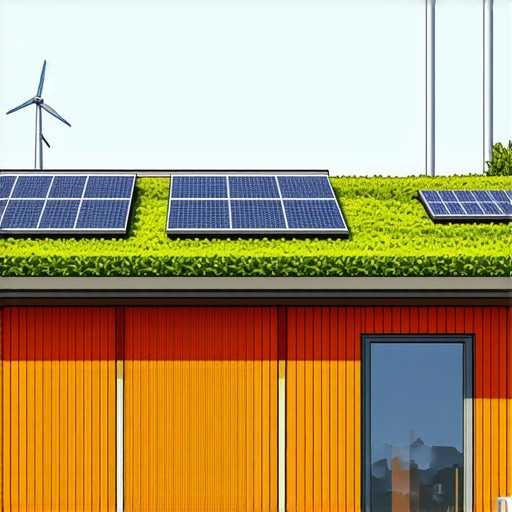
By 2026, many school districts will mandate vegetative roofs to manage stormwater. While they look great from a drone, they are a forensic nightmare if the drainage layer isn’t perfect. We are talking about hundreds of tons of wet soil sitting over classrooms. The physics here is about hydrostatic pressure. When the soil saturates, water doesn’t just sit; it pushes. It finds every pinhole in the hot-applied rubberized asphalt. Water is patient; it will wait for a single shiner—a fastener that missed the mark—to provide a path straight into the computer lab. To make this work, you need a redundant 60-mil TPO or PVC base with heat-welded seams, not just glued laps that will degrade under the constant microbial attack of the soil.
“A roof is only as good as its flashing.” – Old Roofer’s Adage
2. Building-Integrated Photovoltaics (BIPV) and the Thermal Expansion War
The next generation of schools is ditching heavy bolted-on solar racks for integrated solar shingles or laminates. Here is the trade secret: heat is the enemy of electricity and roofing alike. When solar panels get hot, they lose efficiency. When the roofing underneath them gets hot, it expands. We call this thermal shock. If your roofing companies don’t account for the different rates of expansion between the solar cells and the underlying membrane, you get buckling. This creates ‘crickets’ of a different sort—unintended ridges where water pools. You need a ventilated substrate to allow that heat to escape, or you’re just cooking your investment from the inside out.
3. High-Albedo Metal Systems: The Kynar Reality
Metal is the king of longevity, but for 2026, the focus is on high-emissivity coatings that reflect UV radiation. But here is where ‘local roofers’ often mess up: galvanic corrosion. If they use stainless steel clips on an aluminum-zinc alloy roof, or vice versa, they’ve just started a chemical reaction that will eat the roof alive in ten years. In cold climates, these reflective roofs stay colder, which means they are prone to massive ice dams if the attic bypasses aren’t sealed. You’ll see water moving sideways through capillary action, pulled under the standing seams by the vacuum created as the building ‘breathes’ warm air.
4. Synthetic Composite Slates: Avoiding the Polymer Pitfall
Recycled rubber and plastic slates are gaining traction for school boardrooms and historic campuses. They look like the real deal but weigh a fraction of the ‘square’ (that’s 100 square feet in trade talk). The problem? UV degradation. I’ve seen early versions of these ‘eco-roofs’ curl like potato chips after five years in the sun. For 2026, you must demand 3rd-party testing on the carbon black stabilizers. If the material can’t handle the UV load, those ‘lifetime’ warranties are as thin as the paper they’re printed on. A roof shouldn’t be a laboratory for untested polymers.
“The primary function of a roof is to shed water, yet we constantly ask it to do things that compromise that goal.” – NRCA Technical Manual Perspective
5. Bio-Based Modified Bitumen: The Stickiness of Success
The old-school ‘tar and gravel’ is being replaced by soy-based and bio-polymeric modified bitumen. It smells less like a refinery and more like a kitchen, which is better for the kids in the classrooms below during a tear-off. However, the forensic failure point here is the inter-ply bond. If the installers are rushing and the ambient temperature drops, the ‘tack’ doesn’t set. You end up with delamination. You might not see it for three years, but then a wind event hits, and the uplift ratings don’t matter because the layers aren’t actually fused. You want a contractor who understands the ‘open time’ of these new bio-resins.
The Trap of the ‘Lifetime’ Warranty
Don’t let a sales rep from roofing companies talk you into a 50-year warranty without reading the exclusions. Most of those warranties are pro-rated and don’t cover ‘consequential damage.’ If the roof leaks and ruins the school’s new gym floor, the manufacturer might send you a few rolls of material and a ‘sorry.’ You aren’t buying a product; you are buying the integrity of the local roofers and their ability to flash a curb without relying on a bucket of caulk. Caulk is a temporary fix; proper metal work is a permanent solution. When you interview a contractor, ask them to explain capillary breaks. If they look at you like you have two heads, show them the door. Your school’s budget can’t afford a ‘cheap’ roof that has to be replaced twice in twenty years.