
The Forensic Reality of the 2026 Green Wave
Walking on that roof felt like walking on a wet sponge. I knew exactly what I’d find underneath before I even pulled my pry bar. The homeowner in the suburbs of Minneapolis had been sold a ‘revolutionary’ eco-shingle three years prior by one of those flashy roofing companies that disappears once the check clears. Underneath the surface, the OSB was so saturated you could squeeze water out of it like a rag. The culprit? Poor vapor permeability and a ‘green’ material that acted like a plastic wrap for the attic’s moisture. This is the reality I face daily—homeowners paying a premium for sustainability only to have their local roofers install a system that rots the house from the inside out.
The Physics of the Sustainable Roof
Before you commit to a 2026 market solution, you need to understand the physics of failure. In cold northern climates, we aren’t just fighting rain; we are fighting the dew point. When you install a high-thermal-mass eco-material without accounting for the thermal bridging at the rafters, you create a condensation engine. Water is patient. It doesn’t need a hole to ruin your day; it uses capillary action to suck moisture upward through valleys and under starter strips if the surface tension isn’t broken by a proper drip edge. As the industry shifts toward 2026 standards, the margin for error is shrinking to zero.
“The roof shall be covered with materials as set forth in Sections R904 and R905. A roof system shall provide weather protection for the building and the occupants thereof.” – International Residential Code (IRC), Section R903.1
1. Upcycled Polymer Composites: The Expansion Trap
The first solution hitting the 2026 market is the next generation of upcycled polymer shingles. They look like slate, they smell like a new car, and they last forever—theoretically. But here is the forensic truth: polymers have a high coefficient of thermal expansion. In a single day, these shingles can grow and shrink by nearly an eighth of an inch. If your contractor didn’t leave the proper gap at the valley or used a ‘shiner’ (a missed nail hitting the gap), that shingle will buckle. Once it buckles, it creates a pocket for wind-driven rain to sit. In a freeze-thaw cycle, that water expands, opening the lap just enough for a cricket to fail or for ice to back up under the underlayment.
2. High-Albedo Recycled Metal: The Condensation Engine
Metal is the king of 2026 eco-roofing, but it’s a double-edged sword. While it reflects UV rays and is 100% recyclable, it is a thermal conductor. I’ve seen roofing projects where the metal was installed directly over old felt. Without a thermal break or a batten system to allow for airflow, the underside of that metal hits the dew point every single night. The resulting ‘attic rain’ rots the fascia and the soffits before you even see a leak on your ceiling. If you’re hiring local roofers for metal, ask them about vented ridge cap capacity. If they don’t know the Net Free Venting Area (NFVA) of their system, show them the door.
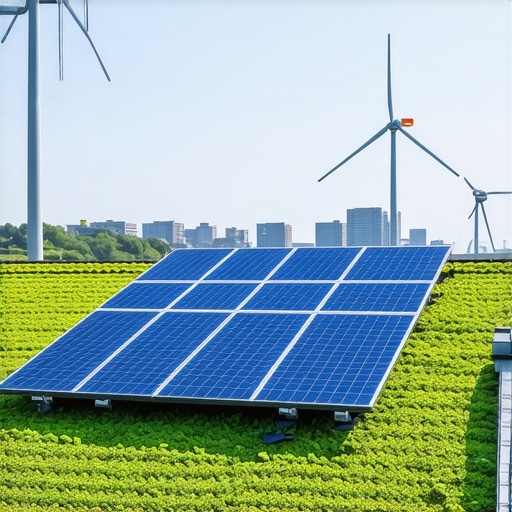
3. Solar-Integrated BIPV (Building Integrated Photovoltaics)
By 2026, we won’t be bolting heavy panels onto roofs; the roof is the panel. This is great for aesthetics, but a nightmare for forensic investigators. These systems involve thousands of electrical connections. If a square (100 square feet) of these shingles isn’t laid perfectly flat, water will wick behind the glass. Once moisture hits those electrical junctions, you get galvanic corrosion. I recently inspected a system where the installer used galvanized nails on a copper-contact integrated shingle. The resulting electrolysis literally ate the fasteners until the ‘solar roof’ started sliding into the gutters.
4. Thermally Modified Wood Shakes
For the ‘organic’ enthusiast, thermally modified wood is the 2026 answer to traditional cedar. It’s ‘baked’ to remove the sugars that fungi eat. However, this process makes the wood incredibly brittle. If an installer walks on these with hard-soled boots or drives a nail too deep with a pneumatic gun, they create micro-fissures. Water enters these fissures, freezes, and ‘explodes’ the wood fibers from the inside. You end up with a ‘green’ roof that looks like it’s been through a wood chipper after five winters.
“A roof is only as good as its flashing.” – Old Roofer’s Adage
5. Rubberized Asphalt with Bio-Based Binders
Traditional asphalt shingles are being replaced by bio-binders—using soybean oil instead of petroleum. The physics here are interesting: these shingles stay flexible longer. But beware the ‘granule loss’ scam. To be eco-friendly, some manufacturers are reducing the ceramic coating. Without those granules, the UV rays hit the bio-binder directly. In a high-altitude or high-UV market, that ’30-year’ eco-roof will turn to parchment in seven years. You’ll know it’s happening when your gutters are full of gray sand and your shingles start ‘clawing’ (curling at the edges).
[IMAGE_PLACEHOLDER]
The ‘Lifetime Warranty’ Shell Game
I’ve spent 25 years reading the fine print. When these roofing companies promise a ‘Lifetime Warranty’ on a new 2026 eco-material, they are usually only warranting the material against manufacturer defects, not the labor. If a ‘shiner’ causes a leak that rots your decking, the manufacturer will blame the installer, and the installer will have changed their LLC name three times by the time you notice the mold. Real sustainability isn’t just about the material; it’s about the flashing at the chimney, the ice and water shield at the eaves, and the counter-flashing that actually diverts water rather than just hoping it doesn’t get in.
How to Vet Your 2026 Contractor
Don’t ask for references; ask for a photo of their last valley detail and their starter strip layout. If they show you a roof where the shingles are flush to the drip edge, they’re amateurs. You want a 1/2-inch to 3/4-inch overhang to prevent water from wicking back into the fascia. If they don’t use a cricket behind a chimney wider than 30 inches, they are violating code and inviting a leak. In the 2026 market, the ‘trunk slammers’ will be out in force with ‘green’ marketing. Your best defense is a contractor who understands the Hydrostatic pressure of a snow load and the thermal expansion of modern synthetics.
This article brings up some crucial points about the hidden pitfalls of so-called eco-friendly roofing options for 2026. I’ve personally seen the aftermath of poorly installed or overly hyped materials, and it’s not pretty. The emphasis on proper installation details like valley flashing, overhangs, and ventilation is often overlooked. For instance, thermal bridging and moisture management are key in colder climates but frequently ignored in marketing pitches. It makes me wonder how homeowners can effectively vet their contractors when many of these advanced materials require a specific skill set. Have others found reliable ways to verify installer expertise beyond just asking for references? Additionally, I think the industry still has a long way to go in standardizing the quality of eco-materials to prevent widespread failures like those detailed here. Open to hearing how others balance eco-claims with practical durability—what measures do you find most effective to ensure long-term performance?