
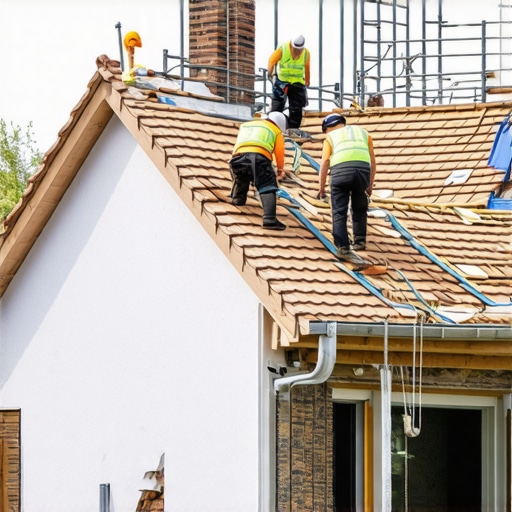
The Forensic Scene: What Lies Beneath the Granules
Walking on that roof felt like walking on a sponge. I knew exactly what I’d find underneath before the first pry bar even touched a shingle. It was a grey Tuesday in November, the kind of morning where the air feels like a wet wool blanket. As a forensic roofer with twenty-five years of inspecting failures, I don’t look at the color of the shingles; I look at the sag of the ridge beam and the way the drip edge pulls away from the fascia. On this specific job, the homeowner thought they had a simple leak. In reality, they had a systemic failure of the entire assembly because the previous roofing companies they hired focused on aesthetics rather than physics. The smell of rotting OSB—that pungent, earthy scent of wood turning back into soil—hit me the moment we pulled the first square of shingles. This is the reality many face when they rush to hire local roofers without understanding the brutal mechanics of a cold-climate roof system.
1. Falling for the ‘Top-Down’ Assessment
Most homeowners look at their roof from the curb. That is your first mistake. A roof is a breathing organism, and in cold climates, the most significant threats come from the inside out. When you hire local roofers who only quote based on a drone photo or a quick walk on the shingles, they are missing the attic bypasses and thermal bridging occurring in your attic. I’ve seen thousands of dollars wasted on new shingles when the actual culprit was warm air leaking through unsealed light fixtures, hitting the cold underside of the roof deck, and flash-freezing into a layer of frost. When that frost melts, it looks like a leak. A ‘cheap’ contractor will sell you a new roof; a veteran will tell you to seal your attic floor first. The physics of failure starts with capillary action—water doesn’t just fall; it crawls. If your shingles are installed with too much overhang or the wrong starter strip, water will wick backward under the shingles and rot your rake boards before the first winter is over.
“A roof system’s longevity is directly proportional to its ability to manage moisture, not just shed it.” — NRCA Technical Manual
2. The ‘Lifetime Warranty’ Shell Game
In 2026, marketing has reached a fever pitch. You’ll hear roofing companies promising ‘Lifetime Warranties’ that sound like a security blanket. Here is the trade secret: those warranties usually only cover manufacturing defects of the material itself—which almost never fail. What fails is the human element. If a roofer leaves a shiner—a nail that misses the rafter and hangs into the attic—that nail becomes a cold spike. In winter, it collects condensation and drips onto your insulation. Over ten years, that single shiner can rot a three-foot section of your deck. No manufacturer warranty covers a shiner. When vetting roofing, you need to demand a 10-year workmanship warranty backed by a company that has actually been in business for ten years. Most ‘trunk slammers’ vanish before the first ice dam hits. You aren’t buying shingles; you are buying the integrity of the person holding the nail gun.
3. Ignoring the ‘Cricket’ and the Chimney Flashing
I can’t count how many times I’ve seen a $30,000 roof ruined because someone wanted to save $500 on custom metalwork. In high-snow-load areas, the chimney is a dam. If your chimney is wider than 30 inches and doesn’t have a cricket—a small peaked structure built behind the chimney to divert water—you are asking for a catastrophe. Water will pool behind that brick, and hydrostatic pressure will eventually force it under the flashing. Local roofers who rely on tubes of caulk rather than mechanical flashing are not professionals; they are artists of the temporary fix. Caulk dries out, cracks, and fails within three to five years under UV radiation and thermal expansion. You want Ice & Water Shield membrane lapped up the masonry and counter-flashing let into the mortar joints. Anything less is just a countdown to a bucket in your living room.
“Proper attic ventilation and moisture control are required for the longevity of asphalt shingles and the protection of the roof structure.” — International Residential Code (IRC)
[IMAGE_PLACEHOLDER]
4. The High-Speed Nailer Syndrome
Speed is the enemy of quality in roofing. When a crew is trying to bang out three houses a week, they get sloppy with the ‘strike zone.’ Shingles have a specific line where the nail must be driven to catch the layer underneath. If the nail is too high, the shingle is only held by the top layer; it will blow off in the first 40mph wind. If the nail is driven too deep (over-driven), it cuts through the fiberglass mat, making the shingle useless. This is why you see shingles flapping in the wind on a five-year-old house. I always tell homeowners to look for the ‘high-nailing’ pattern on old teardowns. If the previous contractor was lazy, the evidence is right there in the wood. A forensic inspection often reveals hundreds of missed nails that never even touched the rafters, leaving the deck vulnerable to uplift during storms. You need a contractor who monitors air compressor pressure throughout the day as the temperature changes—because 100 PSI at 7:00 AM behaves differently than 100 PSI in the 140°F heat of a July afternoon.
5. Ventilation Sabotage
The final, most expensive mistake is ‘choking’ the roof. Most roofing companies understand they need a ridge vent, but they fail to ensure the soffit vents are clear. If you have R-60 insulation blown into your eaves, it often blocks the airflow. Without intake air at the bottom, the ridge vent at the top creates a vacuum that pulls conditioned air out of your house and into the attic, spiking your energy bills and creating the perfect environment for ice dams. An ice dam isn’t a roofing problem; it’s a heat-loss problem. When snow melts on the upper part of the roof and freezes at the cold eave, it creates a pool of standing water. Asphalt shingles are not designed for standing water; they are designed to shed water downward. Once that water backs up, it bypasses the valleys and enters the structure. Hiring local roofers who don’t perform a ‘flow test’ on your ventilation is a recipe for a moldy attic by 2027.
This article really highlights how crucial it is to look beyond the aesthetic when hiring a roofer, especially in colder climates. I had a similar experience with a contractor who rushed through my roof replacement—cut corners on flashing and ventilation, and within a couple of winters, I was dealing with leaks and frost buildup that my old roof never had. It seems that many homeowners focus on cost or quick fixes, but paying a bit more for a seasoned professional who understands these systemic issues can save a lot in the long run. I wonder, how many of you have dealt with ice dams or ventilation problems that weren’t initially obvious? Also, what strategies have you found effective in vetting contractors who actually follow best practices? It’s clear from this post that good roofing is about much more than just shingles—it’s about the physics and proper execution.
Reading this post really drives home the importance of proper attic ventilation and detailed inspections before settling on a roofing contractor. As someone who dealt with severe ice dams last winter, I learned the hard way how crucial it is to ensure soffit vents are free of insulation blockages and that the entire ventilation flow is tested, not just assumed. Many roofing companies promise quick fixes or flashy warranties, but the real savings come from thorough workmanship and attention to detail—like proper chimney cricket installation and precise nailing patterns. Personally, I now ask for references from past clients and insist on seeing evidence of ventilation flow tests before agreeing to any work. It makes me wonder, how many other homeowners are unaware of how much energy they lose due to poor ventilation or how easily these small details can lead to costly repairs later? Would love to hear what strategies others have used to verify that their roofs are built or repaired with these critical systemic features in mind.