
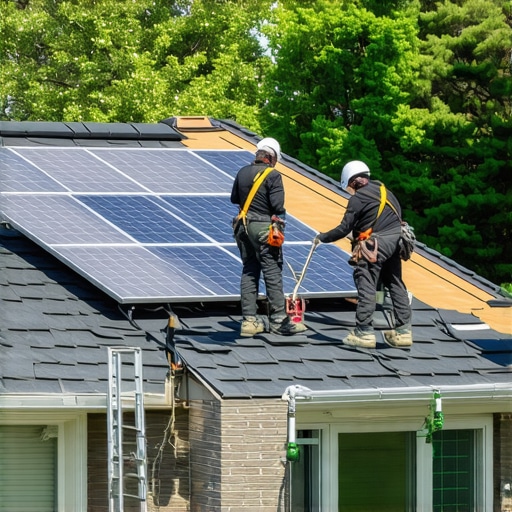
The Forensic Reality of a ‘Green’ Roof
The smell of stagnant water and fermenting OSB is a scent that never leaves your nostrils once it gets in there. Last summer, I was called out to a job in the humid, salt-heavy air of the coast to inspect a five-year-old ‘eco’ installation. Walking on that roof felt like walking on a sponge. I knew exactly what I’d find underneath before I even pulled my pry bar out of my belt. The homeowner thought they were saving the planet with a cheap ‘cool roof’ coating, but because the local roofers didn’t understand vapor drive, the entire deck was a petri dish of white rot. That is the reality of the roofing industry today—marketing catchphrases leading to structural failure. As we look toward 2026, the tech has caught up, but the physics of water and heat remain as stubborn as ever.
The Physics of Failure: Why Traditional Roofing is Dying
Roofing companies have spent decades slapping three-tab asphalt shingles over felt paper and calling it a day. But asphalt is a petroleum product that bakes in the sun, losing its volatiles and becoming brittle within ten years in high-UV zones. When those shingles reach 160°F, they aren’t just protecting your house; they are acting as a thermal battery, radiating heat into your attic long after the sun goes down. This forces your AC to work overtime, burning more carbon and more of your paycheck. This cycle of ‘install, bake, crack, replace’ is what we’re trying to break with these three sustainable fixes.
“A roof is only as good as its flashing.” – Old Roofer’s Adage
Fix 1: Bio-Based Polymer Rejuvenation (The Fountain of Youth for Shingles)
In 2026, we aren’t just tearing off roofs the moment they look tired. We are using soybean-based polymer chemistry to reset the clock. Asphalt shingles fail because the essential oils evaporate, leaving the granules—those tiny rocks on top—with nothing to stick to. Once the granules shed, the UV eats the fiberglass mat. Mechanism zooming: These bio-oils use capillary action to soak through the top layer of the shingle, re-saturating the bitumen at a molecular level. This restores the flexibility of the shingle, allowing it to expand and contract during the daily thermal shock of the 140°F-to-70°F swing. It’s not a spray-on ‘band-aid’; it’s a chemical restoration that can add a decade to a roof’s life, keeping thousands of tons of waste out of the local landfill. If your roofing professional isn’t talking about shingle life extension, they’re just looking for a quick five-figure payout.
Fix 2: Integrated Thermal Bypasses and Smart Ventilation
Most local roofers ignore the attic, but that’s where the eco-battle is won or lost. In 2026, we are moving beyond the standard ridge vent. We are now installing integrated thermal bypasses. This isn’t just a hole in the roof; it’s a system of baffles and smart ‘crickets’—those small peaked structures used to divert water—that are now being used to divert airflow. By creating a 1-inch air gap between the roof deck and the insulation, we utilize the Bernoulli effect to pull cold air from the soffits and eject the heat before it ever touches your living space. This prevents the ‘oven effect.’ When you reduce the attic temperature by 30 degrees through passive physics rather than electric fans, you are practicing true sustainable roofing. If I see one more ‘shiner’—a nail that missed the rafter and now acts as a cold-bridge for condensation—I’m going to lose my mind. These tiny metal points collect frost in the winter and drip onto your insulation, ruining its R-value. A real pro seals every bypass.
“The roof shall be covered with approved roof coverings secured to the building or structure in accordance with the provisions of this code.” – International Residential Code (IRC) R901.1
Fix 3: Upcycled Composite Systems (Beyond the ‘Plastic’ Myth)
The third major fix is the shift toward composite shingles made from ocean-bound plastics and recycled rubber tires. These aren’t the flimsy fake-slates of the early 2000s. The 2026 iterations are engineered to be ‘Impact Class 4’ rated, meaning they can take a two-inch hailstone without flinching. From a forensic standpoint, these are superior because they don’t lose granules. There is no ‘shedding.’ The material is inert, meaning it won’t support algae growth—those black streaks you see on every other house in town. Because they are molded with deep textures, they provide their own micro-shadowing, which naturally lowers the surface temperature of the roof. When you install a square (that’s 100 square feet in trade talk) of these, you’re essentially locking away carbon for fifty years. No more ‘trunk slammers’ showing up after a hail storm to sell you the same old asphalt that will fail in the next breeze.
The Warranty Trap: Don’t Get Burned
I’ve seen it a thousand times: a ‘Lifetime Warranty’ that isn’t worth the paper it’s printed on because the fine print excludes ‘improper ventilation’ or ‘acts of God.’ In 2026, the truly eco-friendly choice is a roof that is installed for longevity, not just for a certificate. You want a contractor who looks at the valleys—where two roof planes meet—and uses a double-layered ice and water shield even if the local code doesn’t strictly require it. That is the difference between a roof that lasts 15 years and one that lasts 50. Sustainability is, at its core, the refusal to do the same job twice. Stop looking for the cheapest bid and start looking for the forensic evidence of a job done right. If they don’t mention the ‘drip edge’ or the ‘kick-out flashing’ at the chimney, walk away. They aren’t building a roof; they’re building a future leak.
This article offers some compelling insights into the future of eco-friendly roofing. I was particularly interested in the discussion around bio-based polymer rejuvenation, as I’ve seen similar products in the automotive industry aimed at extending the lifespan of materials. It’s encouraging to see such innovation in roofing, especially when it can add years to a roof’s life and reduce waste.
The focus on passive cooling methods like integrated thermal bypasses really resonates with me. In my experience, many homeowners overlook attic ventilation until problems arise, often too late. Proper airflow is such a simple yet effective way to cut down on energy costs and improve sustainability.
I’m curious, for those who’ve implemented these technologies, what challenges did you face during installation, especially concerning retrofitting existing roofs? It seems like planning and skilled execution are critical for these solutions to work effectively. It would be great to hear about practical experiences and tips from other professionals or DIYers on this topic.